

10 Oct, 2026
Internal Auditor vs Lead Auditor: Which ISO Course Is Right for You?
Quick answer
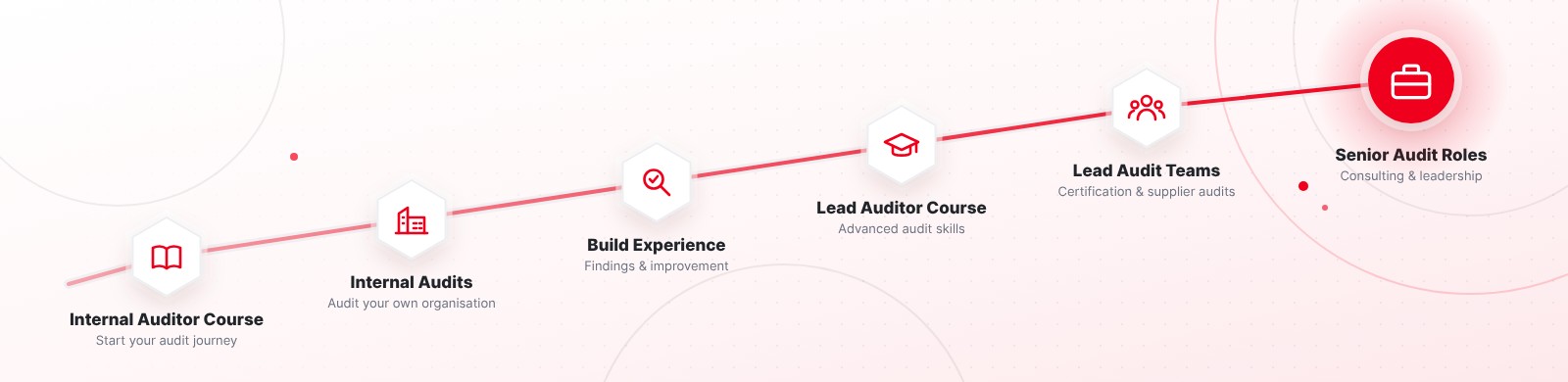
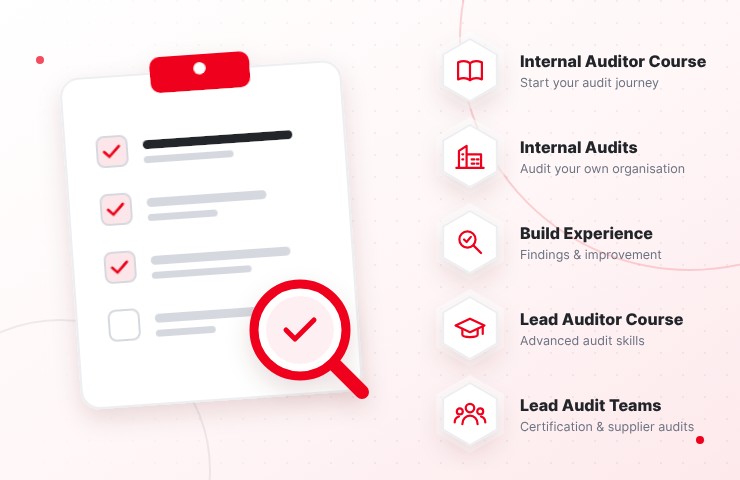
Choose an Internal Auditor course if you are beginning your auditing journey and want to audit your own organisation’s management system. Choose a Lead Auditor course if you are an experienced professional aiming to lead audit teams, conduct certification or supplier audits, or move into consulting and senior audit roles.
As Indian firms are progressing to improve their management systems, the demand for ISO auditors is increasing.
For those in manufacturing, IT, healthcare, automotive, energy, pharmaceuticals and infrastructure, employers now need to know what you can do. Do you understand the standards in any or all of these sectors? How do you analyse business processes, identify improvement areas and drive continuous improvement?
For many professionals, the question then is, whether they should enroll for an Internal Auditor course or a Lead Auditor course.
The main consideration should be the career stage and desired professional development goals to avoid mistakes during the ISO certification process.
Why Auditing Skills Are More Important Than Ever
India’s business environment is changing at a rapid pace. Businesses are embracing a global market, engaging in international supply chains and raising their own standards for customer and regulatory demands. In parallel to the above tendencies, the practice of integrating the requirements of different standards, including ISO 9001, ISO 14001, ISO 45001 and ISO/IEC 27001, into a single management system is also gaining ground among companies.
This has led to a greater demand for professionals who can objectively assess management systems, identify risks and opportunities for improvement and contribute to the performance of the business.
Auditing is no longer viewed as an ISO compliance issue in this era. It has turned out to be an effective tool for boosting up efficiency, managing risks and gaining confidence of stakeholders by the business organization.
Internal Auditor vs Lead Auditor: The Roles
Role 01
What do Internal Auditors Do?
An Internal Auditor performs an audit of his/her organization’s management system, which is necessary in order to assure that processes within are controlled and implemented properly in accordance with ISO certifications.
In addition, internal audit can help identify opportunities for improvement, ensure that corrective measures are applied and prepare the business for certification and surveillance audits by external bodies.
Role 02
What do Lead Auditors do?
A Lead Auditor conducts and leads audits in accordance with internationally recognised principles of auditing.
Lead Auditors are qualified to perform certification audits, supplier audits or internal audit programmes and are responsible for leading audit teams, assessing evidence and reporting audit findings.
Internal Auditor v/s Lead Auditor: A Side-by-Side Comparison
| Aspect | Internal Auditor | Lead Auditor |
|---|---|---|
| Primary purpose | Evaluates the effectiveness of the company’s own management system. | Plans, manages and leads audits to determine conformity with ISO requirements. |
| Who is audited? | Internal departments, functions and processes. | Internal teams, suppliers, clients or organisations seeking certification, depending on the audit type. |
| Typical role | Supports continual improvement within the business. | Leads audit teams and manages the complete audit process. |
| Audit responsibility | Conducts internal audits and reports findings to management. | Plans audits, assigns responsibilities, gathers evidence, leads meetings and prepares final audit reports. |
| Scope of training | Focuses on internal audit planning, execution, reporting and corrective actions. | Covers advanced audit planning, leadership, interviewing techniques, audit management, reporting and team coordination. |
| Career stage | Well suited for professionals beginning their auditing journey. | Better suited for experienced professionals or those aiming for leadership and consulting roles. |
| Career opportunities | Internal quality, EHS, compliance and management system roles. | Certification bodies, consulting, supplier auditing, corporate audit leadership and senior compliance roles. |
| Training intensity | Shorter and focused on practical internal auditing skills. | More comprehensive and intensive, with greater emphasis on leadership and audit management. |
| Best suited for | Those responsible for establishing and maintaining management systems within their workplace. | Those wishing to perform audits across a range of businesses or move into more senior audit roles. |
Which to Pick?
Both courses will equip you with useful skills but they’re targeted to completely different careers.
Training for Internal Auditor
Why pick it?
Things to think about
Lead Auditor Training
Why pick it?
Things to think about
India’s Evolving Quality Scenario
The need for qualified ISO auditors in India is rising as companies look to get certification to meet the expectations of their customers, regulatory requirements and global market demands.
Manufacturers are upgrading quality and environmental management systems. IT and technology companies are putting money into information security and AI governance. Healthcare providers are making strides in the field of patient safety and quality improvement, while those in the infrastructure and construction industry are beginning to pay more attention to occupational health and safety.
Therefore, employers in these industries need experts who can understand the requirements and carry out the necessary assessments and recommendations to improve the business’s performance.
The Internal Auditor training provides practical skills for early and mid-career professionals that can be immediately used in the workplace. Lead Auditor training can create new career opportunities and enhance the professional recognition of seasoned professionals, whether they are seeking leadership, consulting or external auditing roles.
What’s the Best Fit for Your Career Aspirations?
Don’t choose Internal Auditor or Lead Auditor training based on the fact that one sounds more advanced and prestigious than the other. Instead it should reflect your current responsibilities, experience level and long term career aspirations.
Internal Auditor
Internal Auditor training gives you a solid basis in case you want to improve internal processes, support certification and contribute to continuous improvement in your company.
Lead Auditor
If you want to lead audit teams, work with certification bodies, advise businesses or build a career in consulting, Lead Auditor training gives you the broader skills required for these responsibilities.
The most successful quality professionals don’t settle for just one qualification. As their careers progress, they continue building expertise that enables them to take on larger responsibilities and create greater business value.
Whichever you choose to kick off your ISO auditing skills development, be it Internal Auditor or Lead Auditor, it’s an investment in your professional growth and your capacity to contribute to India’s ever-expanding quality-driven economy.
Start Your ISO Auditing Journey with Quality Austria Central Asia
Not sure which auditor course fits your career stage? Talk to our training team or check the training calendar for upcoming Internal Auditor and Lead Auditor batches.
Related Reading
Social Share: