


Statistical Process Control (SPC) and Measurement System Analysis (MSA) Training Course
Every decision about a process rests on two things: whether the process is actually stable, and whether the measurements telling you so can be trusted. Statistical Process Control answers the first question and Measurement System Analysis answers the second, which is why they are taught here as one programme.
This two-day course gives a detailed understanding of both, covered theoretically and then applied through practical exercises and group discussions. Participants build the foundational knowledge needed to analyse a process with SPC, and to develop and evaluate the measurement systems that feed it.
Course Objectives
Why Attend This Course
Part One
Statistical Process Control
Part Two
Measurement System Analysis
Introduction to MSA
Why a measurement system has to be proven before its data is used.
Accuracy and Precision
Two different properties, often confused, with different remedies.
Bias and Linearity
Systematic error, and whether it holds across the measurement range.
Stability
Whether the system still measures the same way over time.
Repeatability and Reproducibility
Variation from the gauge itself, and variation between operators.
Analysing the System
Bringing the studies together into a verdict on the measurement system.
Who Should Attend
Is This Training Right for You?
Before You Begin
Recommended Prior Knowledge
Tailored delivery: different topics from the five core tools can be included in the course based on the client's requirements, so an in-house programme can be shaped around the tools your customers actually ask you to demonstrate.
Course Details
How the Course Is Delivered
Duration and Delivery
A two-day programme available as a virtual session, a public classroom batch or an in-house delivery at your own site.
Practical Focus
Each topic is covered theoretically and then applied through practical exercises, group discussions, process analysis activities and real-world manufacturing examples.
Why Choose Us
Why Choose Quality Austria Central Asia
Trusted by Industry
Chosen by automotive suppliers and manufacturers across sectors.
Expert Trainers
Trainers with strong automotive quality and process expertise.
Worked Examples
Charts and studies built during the session, not just described.
Shaped Around You
Core tool topics added to suit your customers' requirements.
Globally Connected
Part of the Quality Austria group network with international reach.
FAQ
Frequently Asked Questions
The SPC and MSA Training Course is designed to help professionals understand Statistical Process Control (SPC) and Measurement System Analysis (MSA) techniques used to monitor process performance, reduce variation and improve product quality in manufacturing operations.
This course is suitable for professionals from quality, production, engineering, process engineering, supplier quality and manufacturing functions, as well as auditors and consultants involved in quality management systems and process improvement activities.
The training covers concepts such as process variation, sigma levels, control charts, X-bar and R charts, process capability studies, accuracy and precision, bias, linearity, stability, repeatability, reproducibility and measurement system evaluation techniques.
Statistical Process Control (SPC) is a quality management method that uses statistical techniques and control charts to monitor manufacturing processes, identify variations and maintain consistent product quality.
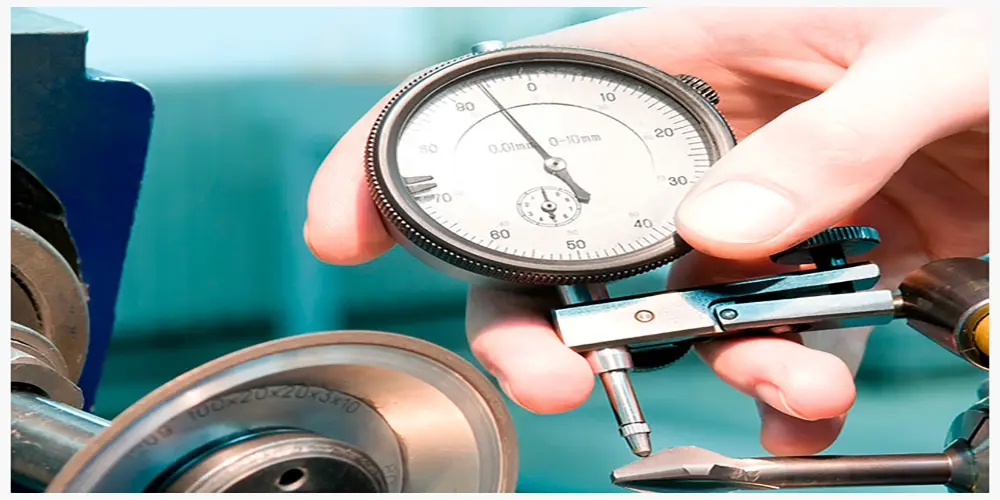
Measurement System Analysis (MSA) is a method used to evaluate the accuracy, precision, repeatability and reliability of measurement systems to ensure that collected data is trustworthy and suitable for process decision-making.
SPC and MSA help organisations reduce process variation, improve product consistency, enhance customer satisfaction, minimise defects, support IATF 16949 compliance and strengthen data-driven quality improvement initiatives.
Yes, the course includes practical exercises, group discussions, process analysis activities and real-world manufacturing examples to help participants apply SPC and MSA tools effectively within operational environments.
Ready to Trust Your Process Data?
Talk to our team about the next available batch or in-house delivery for your organisation.
Social Share:





Request A Quote